How to Set Up Your Bitcoin Mining Device: A Step-by-Step Tutorial


Setting up a Bitcoin mining device can seem daunting, especially if you're new to the world of cryptocurrency. However, with the right guidance, you can get your mining rig up and running in no time. This step-by-step tutorial will walk you through the process.
Understanding Your Equipment
Before diving into the setup, it's important to understand the components of your mining device. Typically, a mining rig consists of a motherboard, power supply, graphics processing units (GPUs), and cooling fans.
Each part plays a crucial role in the mining process. For instance, the GPUs are responsible for solving complex mathematical problems, which is the core of Bitcoin mining.

Choosing the Right Hardware
Choosing the right hardware is critical. The performance of your mining rig largely depends on the quality of the GPUs. Consider factors like hash rate and energy consumption to maximize efficiency.
- Hash Rate: This measures the number of calculations your hardware can perform per second.
- Energy Consumption: More efficient hardware will use less electricity, reducing costs.
Setting Up Your Mining Software
Once you've assembled your hardware, the next step is to install the necessary mining software. This software connects your rig to the blockchain and manages the mining process.
Popular options include CGMiner, BFGMiner, and EasyMiner. Choose a program that fits your level of expertise and offers the features you need.

Configuring Your Software
After installing your chosen software, you'll need to configure it. This usually involves entering details like your wallet address and the mining pool you wish to join.
- Open your mining software.
- Enter your Bitcoin wallet address.
- Select a mining pool to join for more consistent earnings.
Testing and Monitoring Your Rig
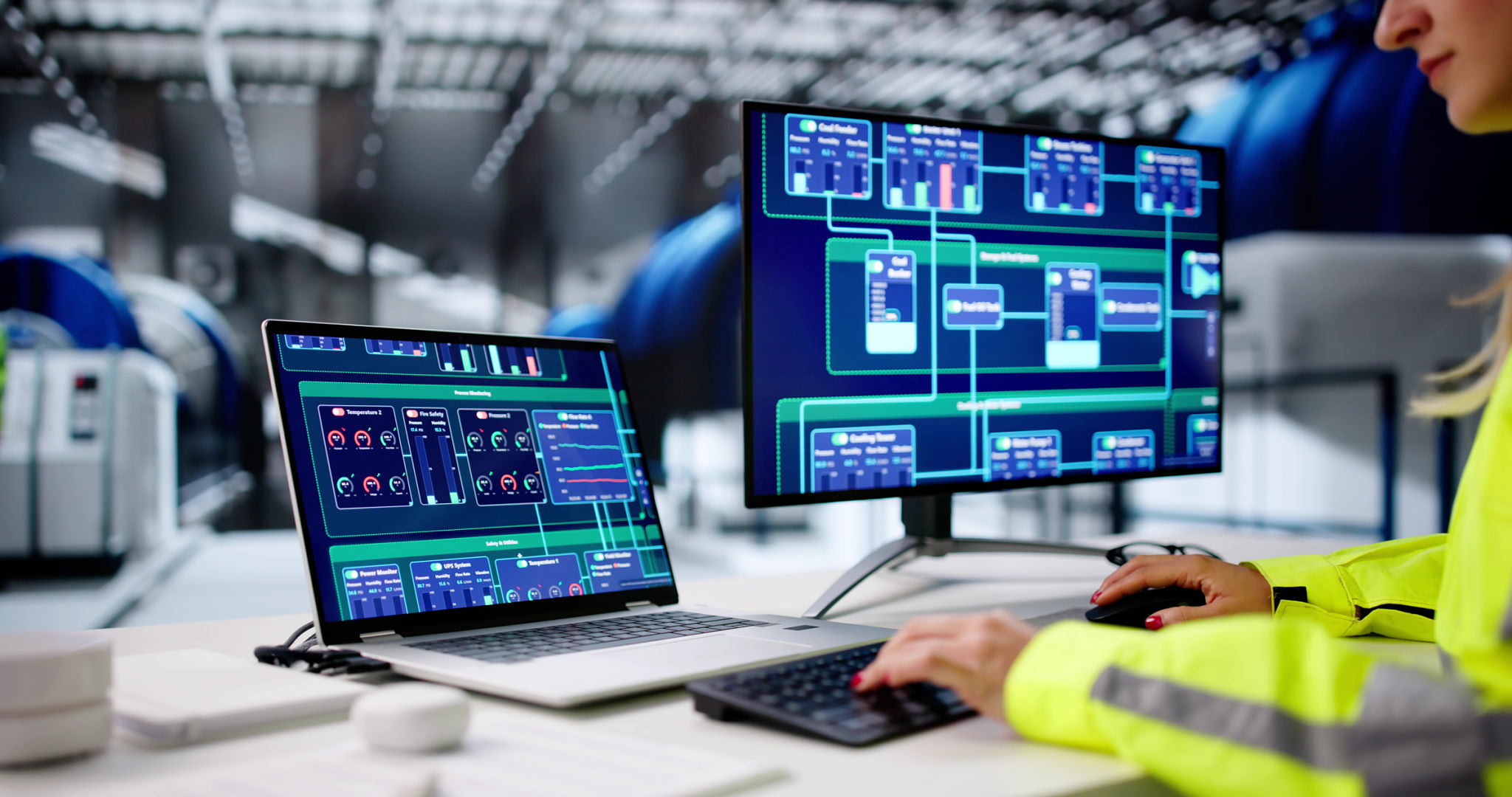
With everything set up, it's time to test your system. Monitor the performance to ensure it's running efficiently. Check the temperatures and hash rates regularly to prevent overheating and downtime.
Consider using monitoring tools that alert you to any issues in real-time. This will help you maintain optimal performance and extend the lifespan of your equipment.
Optimizing for Efficiency
Finally, focus on optimizing your setup for both performance and cost-effectiveness. Adjust fan speeds, undervolt your GPUs, or switch to a more efficient mining pool if necessary.
Regular maintenance and updates are key to staying competitive in the evolving world of Bitcoin mining. By keeping your hardware and software in top condition, you can maximize your earnings over time.